logo-area

Virtual Laboratory Platform – SimuLabs Case Study

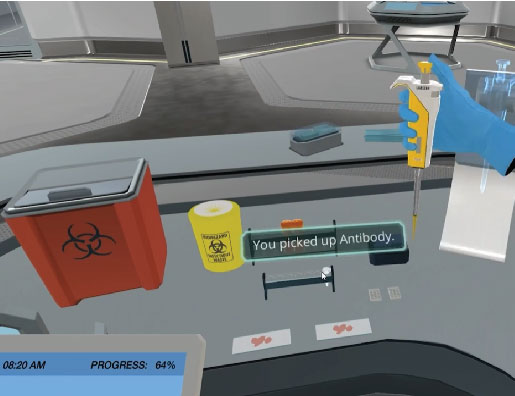
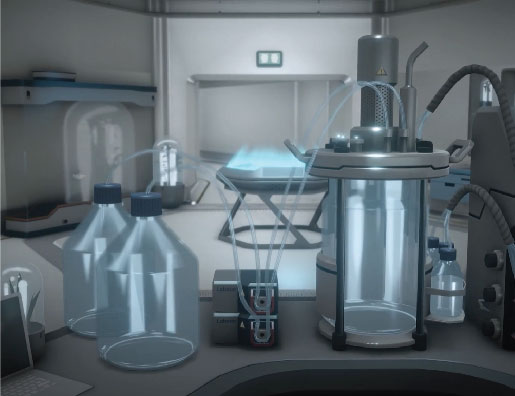
SimuLabs is an advanced virtual laboratory platform designed to enhance science education through immersive, interactive simulations. The platform provides realistic 3D lab environments, guided experiments, and real-time analytics to make laboratory experiences accessible, safe, and engaging for students of all ages, regardless of location or available physical lab resources. SimuLabs combines interactivity with detailed simulations to foster practical skills, scientific curiosity, and critical thinking.

Problems

  • Physical laboratories are limited in accessibility due to location, cost, or safety constraints.
  • Students often lack hands-on opportunities to experiment safely with chemicals, biological samples, or specialized equipment.
  • Complex lab procedures can be difficult to understand without step-by-step guidance.
  • Teachers have limited tools to track individual student progress or provide personalized support.

Solutions / Value Proposition

  • Immersive 3D Lab Simulations: Students interact with lab equipment and samples in a realistic virtual environment, replicating real-world procedures without safety risks.
  • Guided Scientific Experiments: Step-by-step tutorials, interactive guides, and tooltips assist students in hypothesis formulation, data collection, and analysis, making complex experiments clear and approachable.
  • Real-Time Feedback: Students receive immediate feedback on experiment outcomes, enabling them to learn from mistakes and improve understanding in real time.
  • Progress Tracking & Analytics: Teachers can monitor student progress, enabling personalized learning and data-driven instruction.
blog
blog

Features

  • 3D interactive laboratory simulations.
  • Guided experiment modules covering the full scientific process.
  • Instant feedback on student actions and experiment results.
  • Teacher dashboards for progress tracking and performance analytics.

Target Audience

  • K–12 and university students in science-related disciplines.
  • Science educators and laboratory instructors seeking safe, scalable teaching tools.
  • Remote learners or institutions lacking full access to physical lab facilities.

Market Opportunity

  • Growing demand for digital education tools and remote learning solutions.
  • Schools and universities looking for cost-effective alternatives to fully equipped physical labs.
  • EdTech industry growth driven by AI, VR/AR adoption, and gamified learning experiences.
  • Potential for partnerships with online education platforms, STEM organizations, and government educational initiatives.